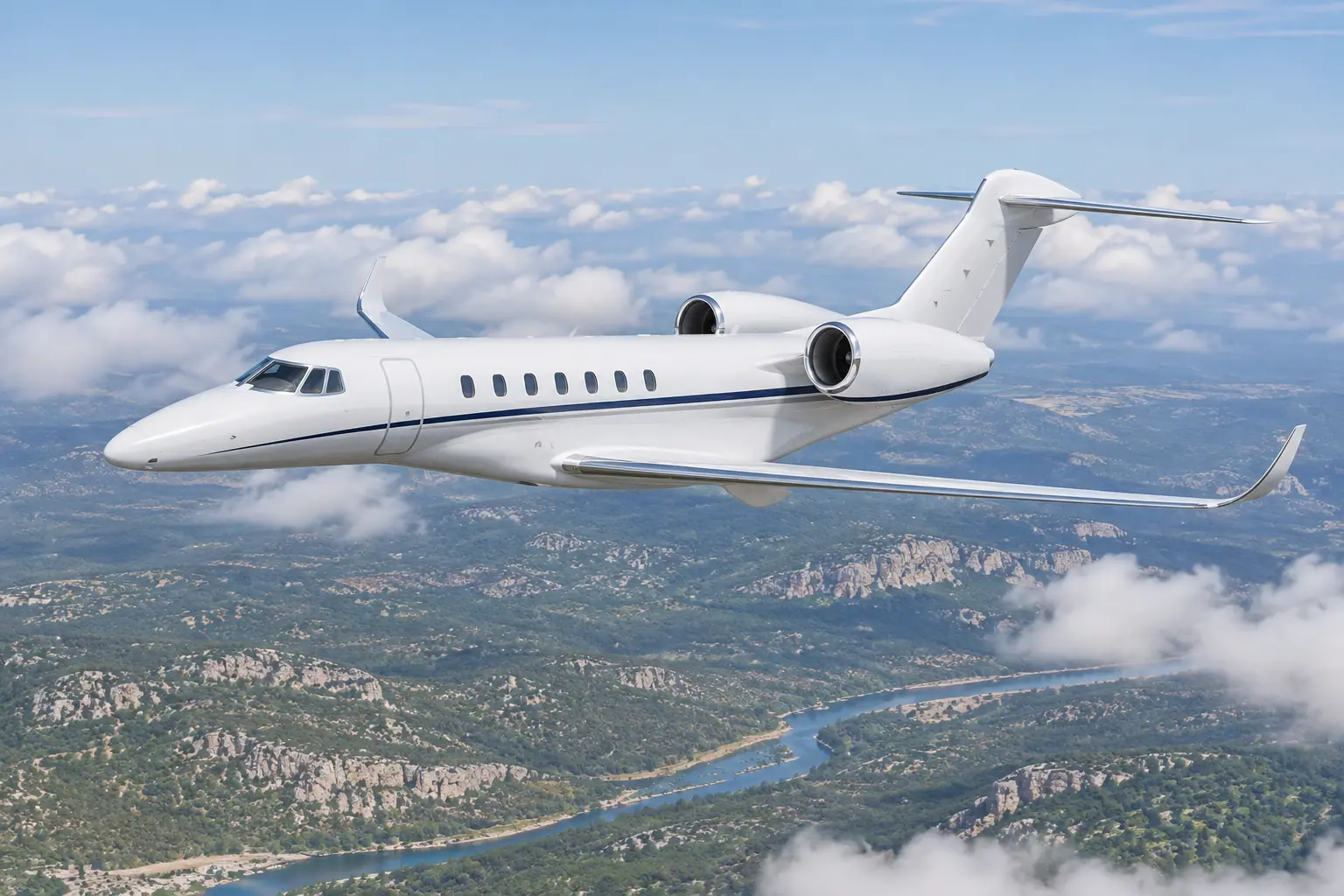
Super-midsize jet charter cost Austin
Super-midsize jet charter cost Austin runs about $7,200 to $10,000 per flight hour. A typical aircraft cruises near 470 knots and seats 8 to 10 passengers. Below are sample route prices and the trade-offs behind them.
- $7,200–$10,000per flight-hour
- 8-10Pax
- 3,200 nmaverage reach
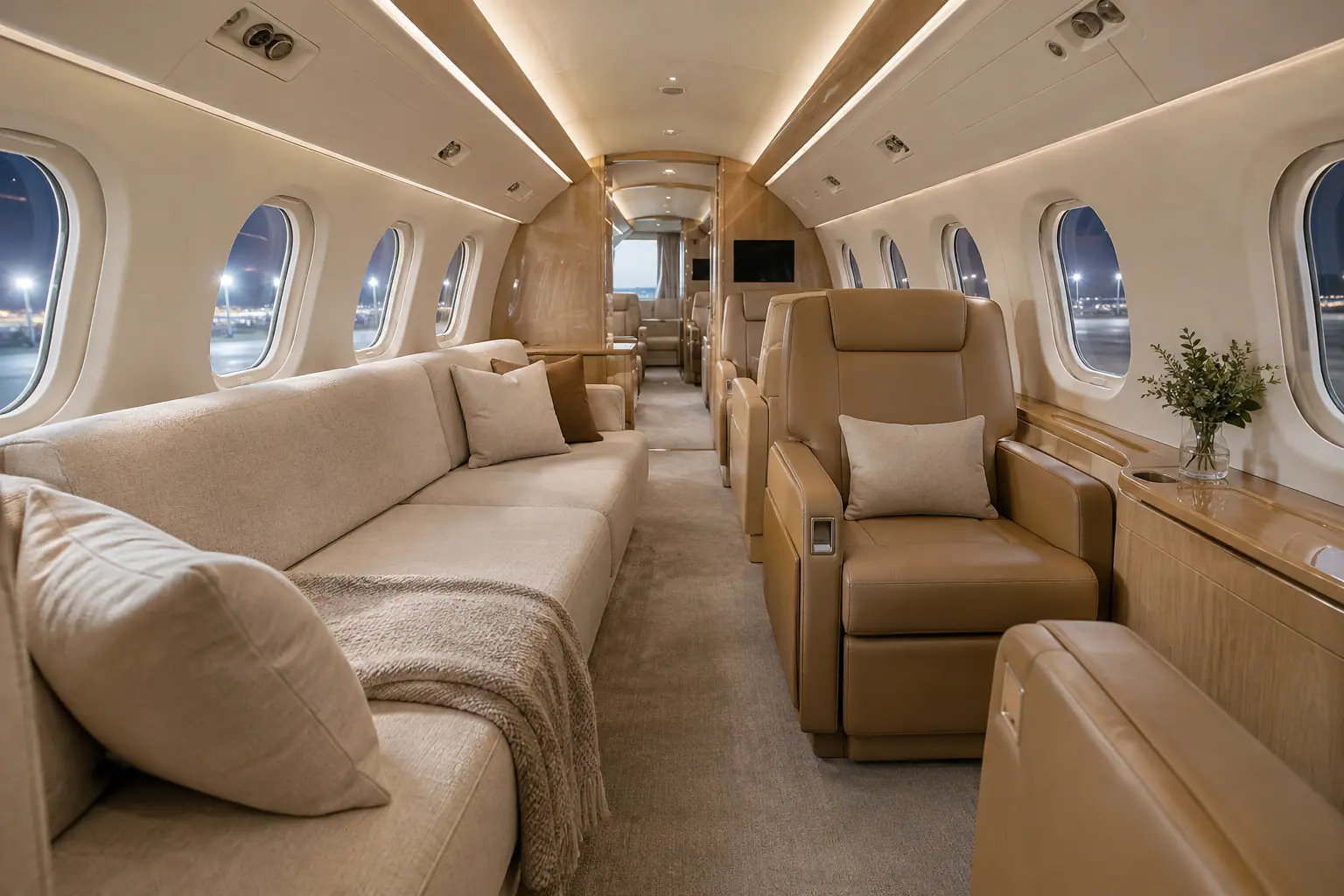
Super-midsize jet charter cost Austin starts with the hourly rate, and for this class the market runs roughly $7,200 to $10,000 per flight hour. That band is wide on purpose. A newer airframe with a longer cabin and more baggage space prices at the top; an older one with the same range prices lower. Quoting starts with block time, the hours the aircraft is actually running, not the time you sit in the cabin. Then the operator adds the deadhead leg to reach Austin, landing and handling fees, and crew duty for the day. A super-midsize quote for Austin usually runs from $7,200 to $10,000 per flight hour before fees and taxes. Ask any broker to separate those lines so you can see what you are paying for.
The class sits above light and midsize jets and below large cabin aircraft, and that position explains most of the cost conversation. Cruising near 470 knots with a typical range of 3,200 nautical miles, a super-midsize aircraft can leave Austin-Bergstrom and reach either coast nonstop with a comfortable margin. That nonstop capability is the product. When a trip forces a fuel stop in a smaller jet, you lose the time savings that justified the flight. Two super-midsize jets out of Austin, the Gulfstream G280 and the Citation X+, carry 9 passengers each with nonstop range past 3,400 nautical miles. The trade-offs are cabin width against speed, and baggage volume against a newer interior, and the aircraft notes below explain each.
Gulfstream G280
- 9 seats
- 482 kt cruise
- 3,600 nm range
- 154 cu ft baggage
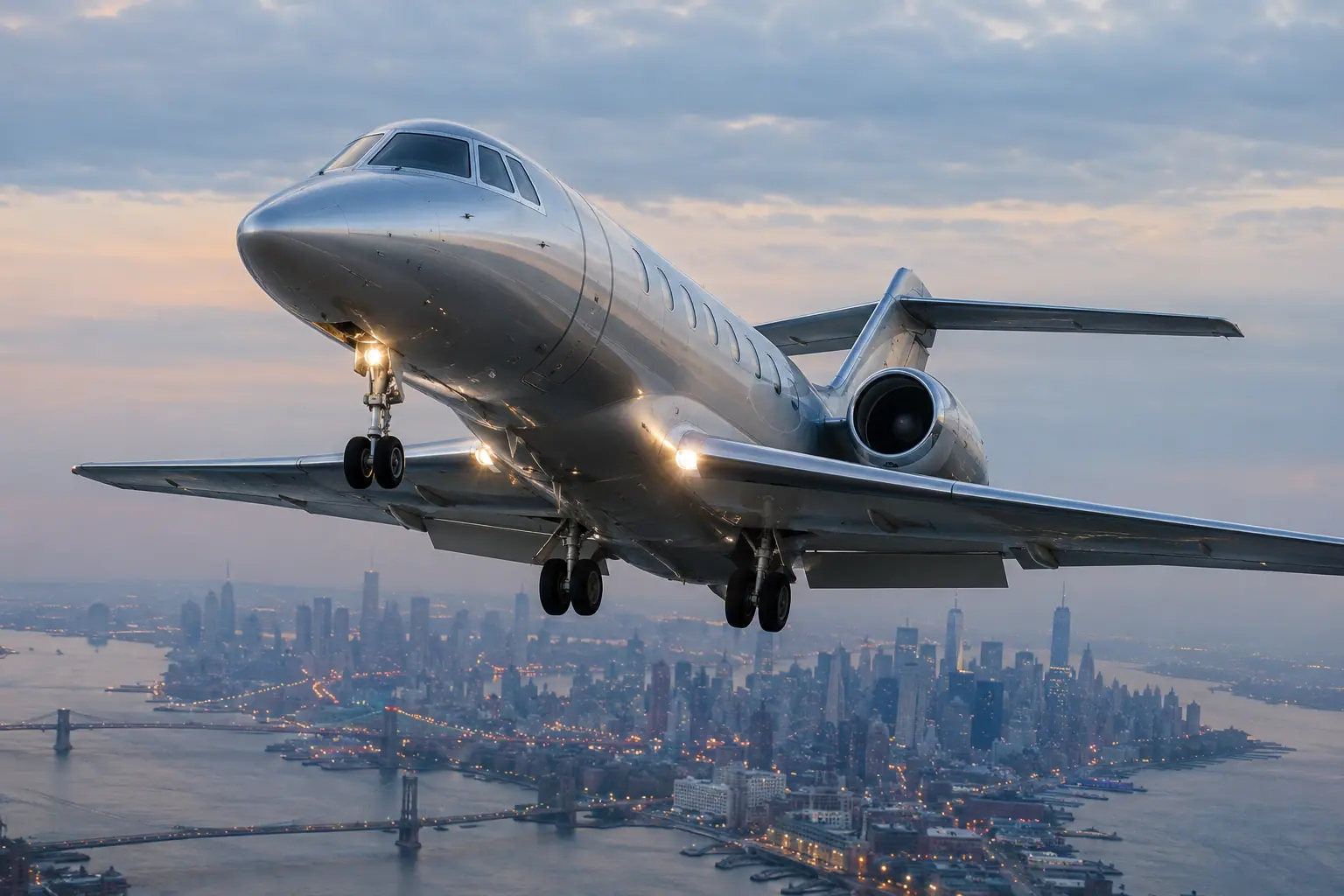
The Gulfstream G280 carries 9 passengers at 482 knots over a 3,600 nautical mile range. Its cabin measures 6 ft 3 in tall and 25 ft 10 in long, and the 154 cubic feet of baggage space is the largest figure in this class here. On a long Austin departure with a full load of people and luggage, the G280 is the easier fit. The trade-off is speed: it is the slower of the two aircraft, which adds a little time on transcontinental legs.
Cessna Citation X+
- 9 seats
- 527 kt cruise
- 3,460 nm range
- 82 cu ft baggage
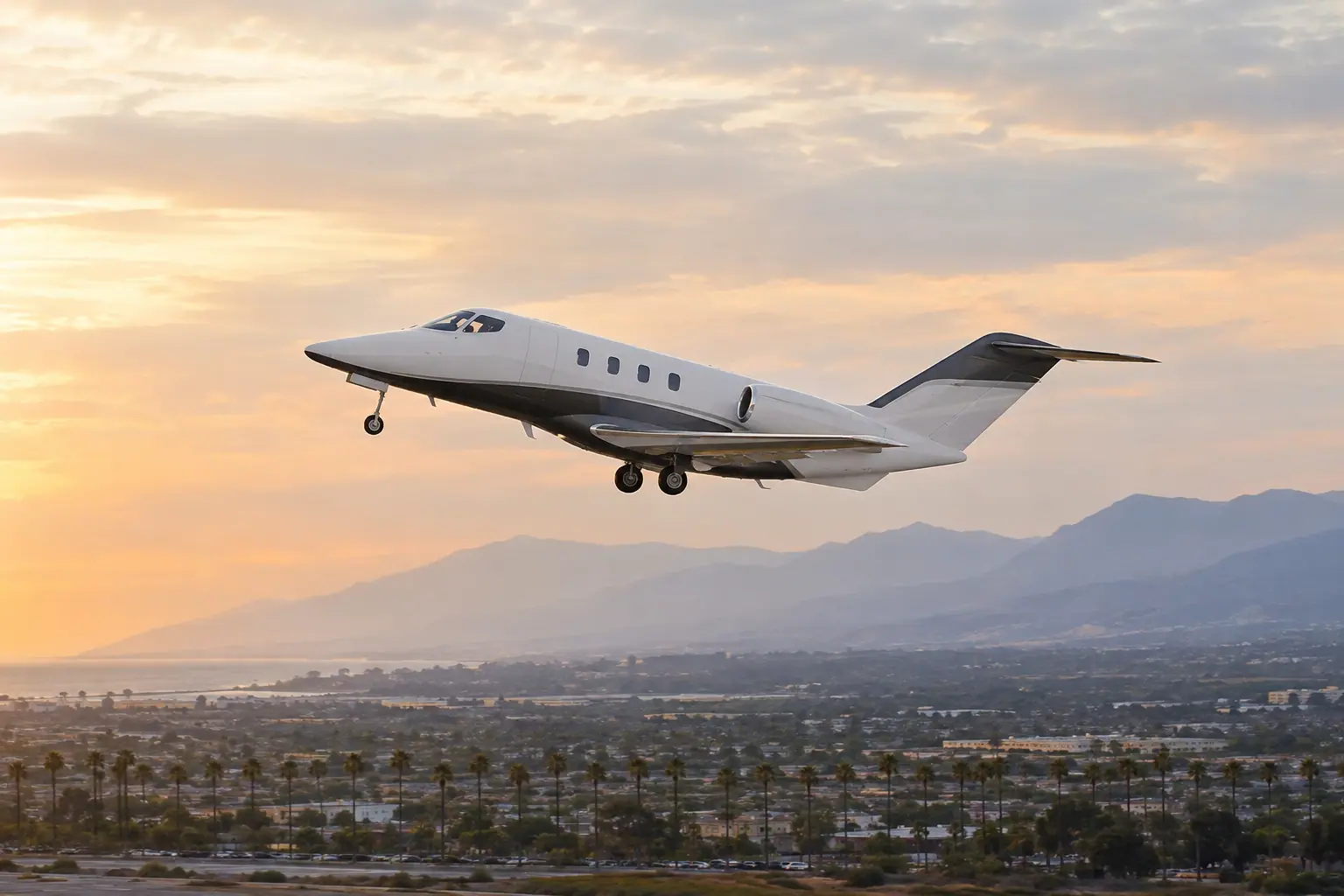
The Cessna Citation X+ carries 9 passengers at 527 knots with a 3,460 nautical mile range. The cabin is 5 ft 8 in tall and 25 ft 2 in long, with 82 cubic feet of baggage. Speed is the reason to choose it: on a nonstop from Austin to the East Coast or California, the higher cruise speed shortens block time and the billable hours that follow from it. The trade-off is cabin height and baggage volume against the G280.
When a super-midsize makes sense
- If your group is 8 to 10 people flying to either coast, then a super-midsize jet keeps everyone in one cabin nonstop instead of splitting across two smaller aircraft. For groups of 8 to 10, one super-midsize jet out of Austin replaces two light jets on coastal routes.
- If the trip exceeds the range of a midsize aircraft, then this class avoids a fuel stop. Austin to Boston is 1,453 nautical miles and prices as a nonstop super-midsize flight.
- If baggage matters, then compare cabins before you compare price. The G280 lists 154 cubic feet of baggage space against 82 cubic feet on the Citation X+, a real difference on a golf trip or a family move.
- If the schedule is tight, then the speed advantage earns its premium. The Citation X+ cruises at 527 knots, trimming time on the long transcontinental legs where minutes add up. On long legs from Austin, the faster Citation X+ can cut more time than the price difference suggests.
What the quote does not cover
The figures on this page are estimates for aircraft time and do not include taxes, segment fees, catering, ground transport or crew overnight costs on multi-day trips. A broker arranges the flight as your agent under DOT Part 295 rules; the operating certificate and operational control belong to the Part 135 operator flying the aircraft. If your itinerary crosses a border, then CBP clearance and passenger documentation apply, and those steps take planning lead time. Any international leg from Austin requires CBP clearance and advance passenger documentation before departure.
Super-midsize jet rates on frequent routes
Sample estimates for super-midsize flights between Austin and common origins, based on the hourly band above. Prices are estimates for the aircraft, not final quotes, since deadhead, fees and taxes vary by date and operator. Round-trip pricing on these routes often beats one-way booking for Austin departures.
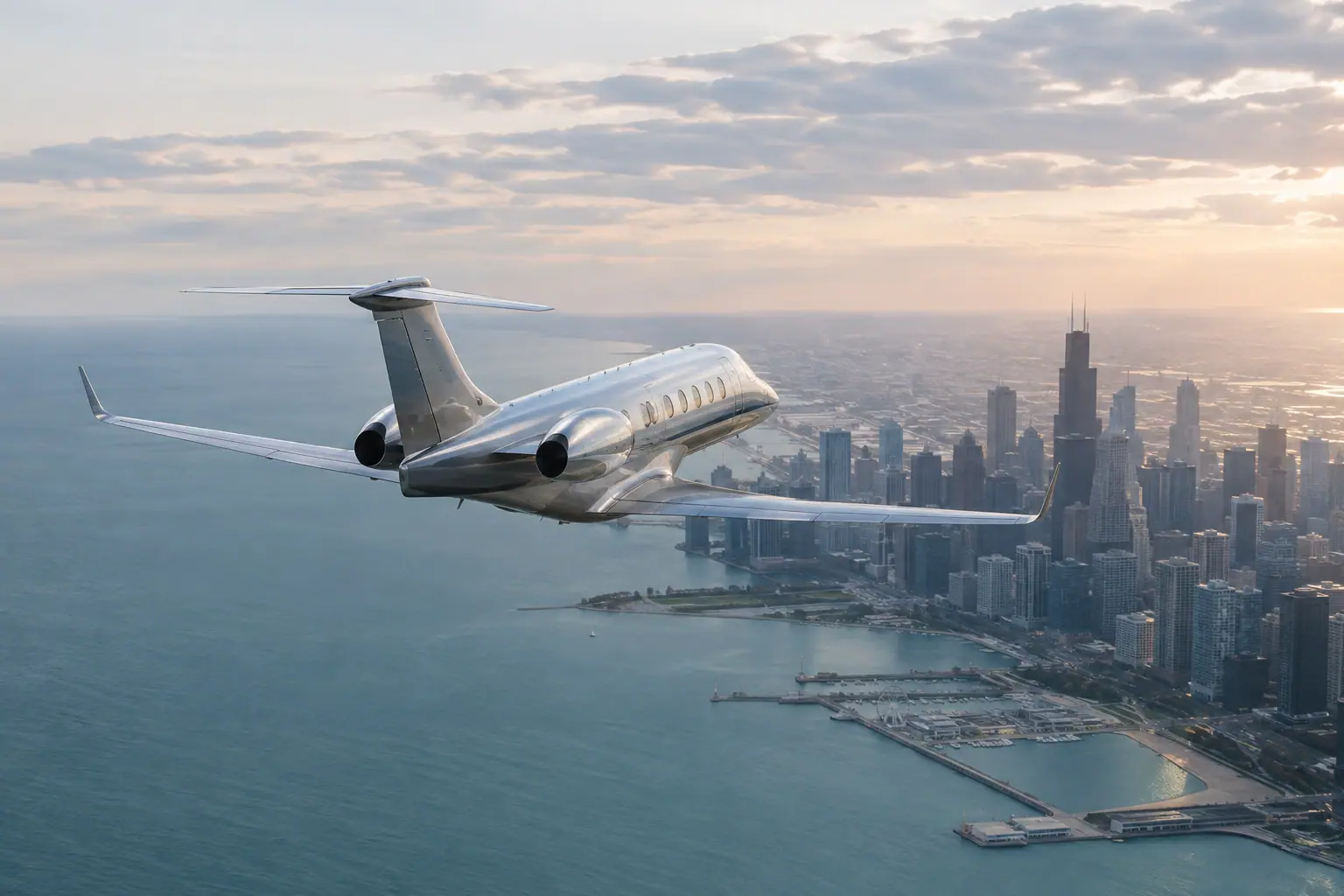
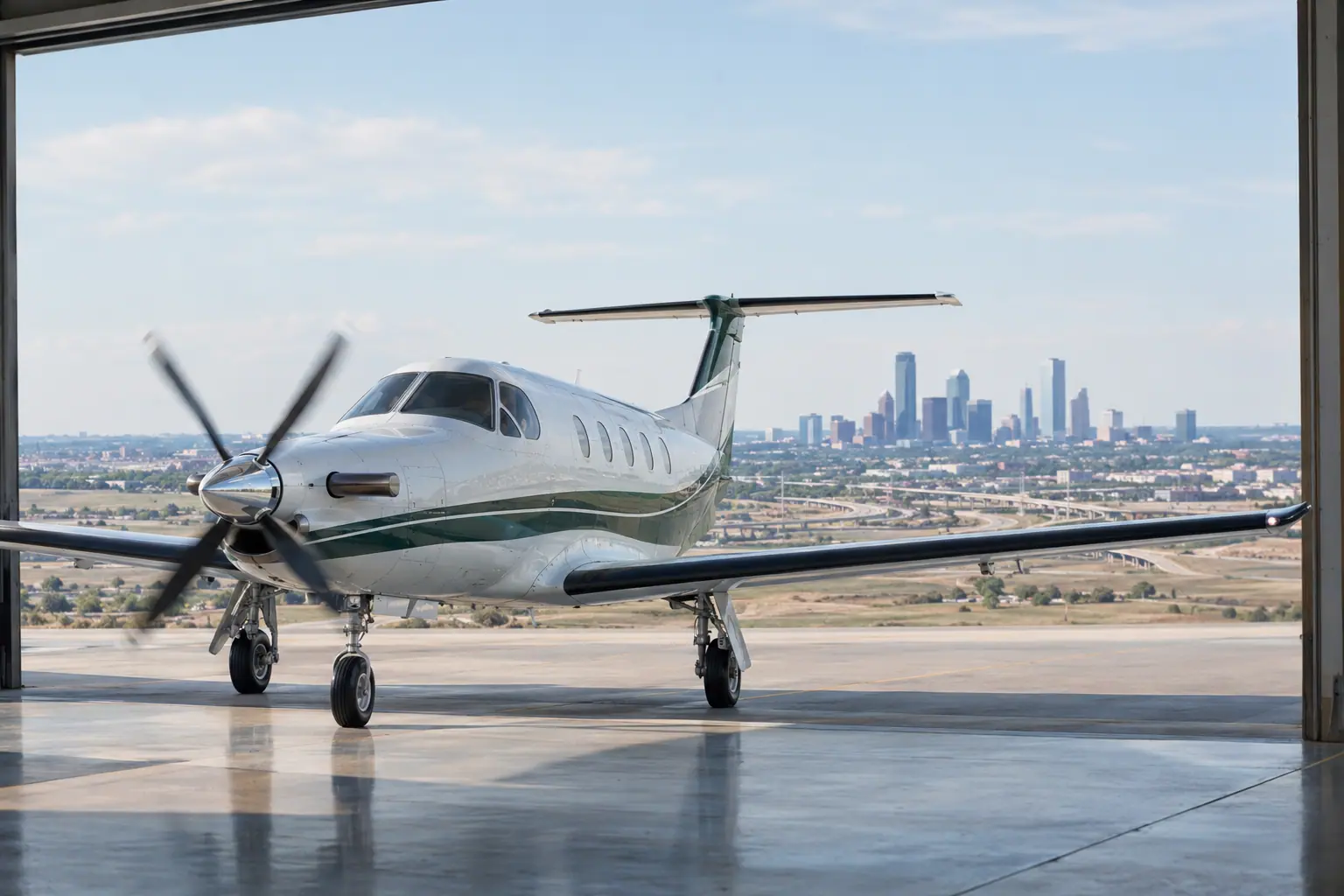
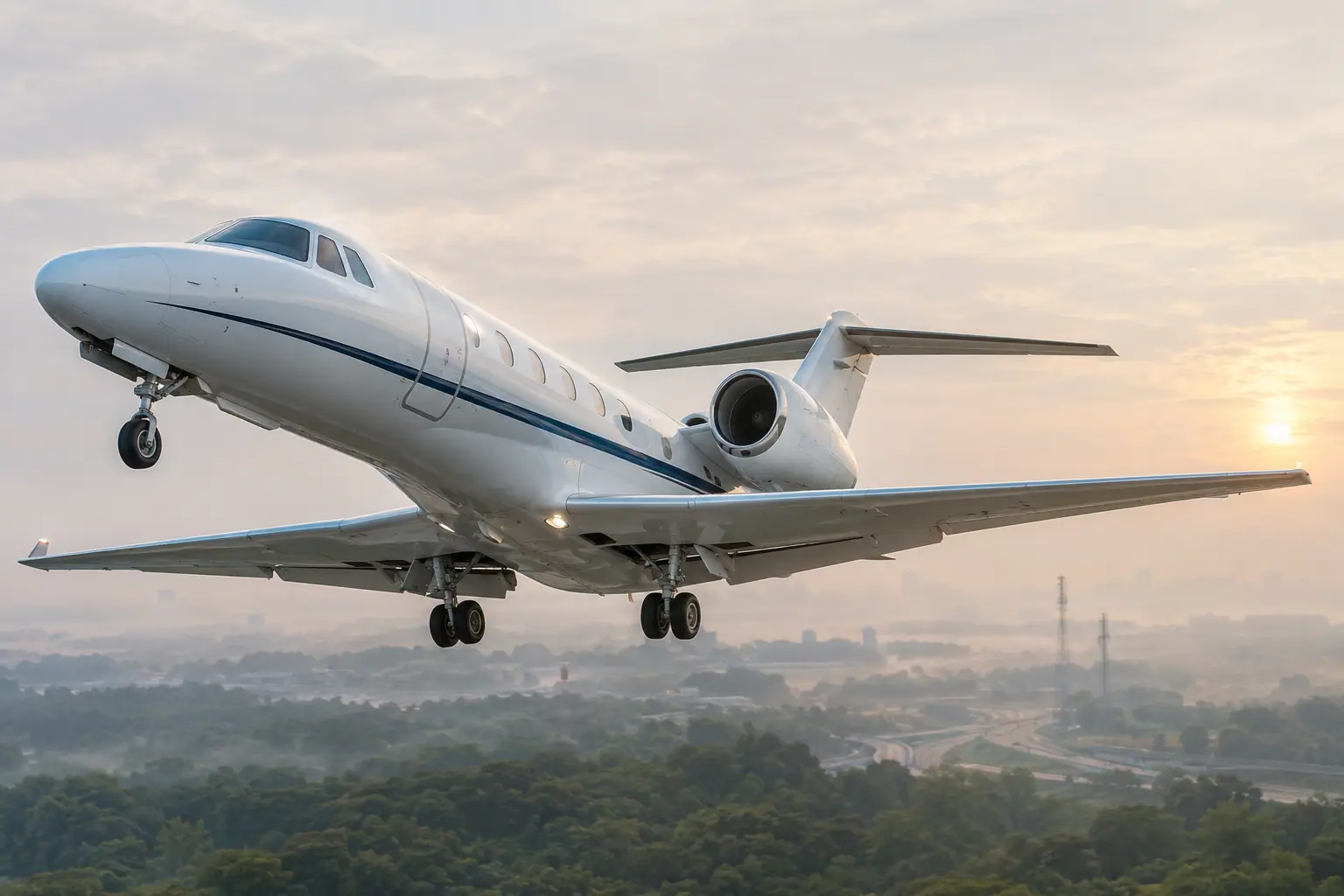

Super-midsize jet flight times and prices by route
On these 24 city pairs, a super-midsize jet needs 0h 38m to 3h 44m, with single-leg estimates between $7,000 and $37,500.
| Route | Time | Est. one-way price |
|---|---|---|
| New York → Austin | 3h 13m | $23,000–$32,000 |
| Los Angeles → Austin | 2h 43m | $19,500–$27,000 |
| Chicago → Austin | 2h 10m | $15,500–$21,500 |
| Dallas → Austin | 0h 38m | $7,000–$10,000 |
| Atlanta → Austin | 1h 53m | $13,500–$19,000 |
| Washington, DC → Austin | 2h 47m | $20,000–$28,000 |
| Boston → Austin | 3h 33m | $25,500–$35,500 |
| Philadelphia → Austin | 3h 05m | $22,000–$31,000 |
| Denver → Austin | 1h 46m | $12,500–$17,500 |
| Phoenix → Austin | 2h 00m | $14,500–$20,000 |
| San Francisco → Austin | 3h 13m | $23,000–$32,000 |
| Seattle → Austin | 3h 44m | $27,000–$37,500 |
| Las Vegas → Austin | 2h 25m | $17,500–$24,000 |
| Nashville → Austin | 1h 44m | $12,500–$17,500 |
| Charlotte → Austin | 2h 17m | $16,500–$23,000 |
| Orlando → Austin | 2h 13m | $16,000–$22,000 |
| Austin → New York | 3h 13m | $23,000–$32,000 |
| Austin → Aspen | 1h 52m | $13,500–$18,500 |
| Austin → Phoenix | 2h 00m | $14,500–$20,000 |
| Austin → San Francisco | 3h 13m | $23,000–$32,000 |
| Austin → Los Angeles | 2h 43m | $19,500–$27,000 |
| Austin → Nassau | 2h 47m | $20,000–$28,000 |
| Austin → Cabo San Lucas | 2h 03m | $15,000–$20,500 |
| Austin → Turks and Caicos | 3h 33m | $25,500–$35,500 |
Questions
What is the super-midsize jet charter cost Austin travelers should budget?
Budget roughly $7,200 to $10,000 per flight hour for the aircraft, then add fees and taxes. On the sample routes here, Austin to Dallas prices at $7,000 to $10,000 and Austin to Los Angeles at $19,500 to $27,000. The range reflects aircraft age, cabin size and how the operator prices the return leg. Ask for a line-by-line quote so the hourly rate is visible.
How long is a super-midsize flight from New York to Austin?
About 3 hours 13 minutes nonstop over 1,302 nautical miles, priced at an estimated $23,000 to $32,000. Super-midsize aircraft cruise near 470 knots, so the leg fits comfortably inside a single crew duty period. If weather or traffic pushes the departure, then the operator adjusts the schedule rather than the aircraft. The Citation X+ at 527 knots works the same route slightly faster.
Can a super-midsize jet fly Austin to Los Angeles nonstop?
Yes. The route covers 1,084 nautical miles and takes about 2 hours 43 minutes in this class, with estimated pricing of $19,500 to $27,000. Both aircraft here have range well past that figure. If your group carries extra baggage on the return, then the G280's 154 cubic feet of space is the easier fit than the Citation X+'s 82 cubic feet.
What is the hourly rate for a super-midsize charter in Austin?
The market band is $7,200 to $10,000 per flight hour for this class. Block time, not your time in the cabin, drives the number, and the deadhead leg to position the aircraft in Austin is often billed as well. If the aircraft is already based nearby, then the positioning charge shrinks. Ask which hours are billed before you compare two quotes.
How many passengers does a super-midsize jet carry from Austin?
Both aircraft listed here seat 9 passengers, inside the 8 to 10 range typical for the class. Range runs past 3,400 nautical miles on each, so most domestic nonstops from Austin work without a fuel stop. If your group is larger, then you are looking at a large cabin aircraft rather than two super-midsize flights.
Who is responsible for the flight when I book through a broker?
The Part 135 operator holds the certificate and operational control of the aircraft; the broker arranges the flight as your agent under DOT Part 295. That split matters when something changes. If a mechanical issue grounds the aircraft, then the operator's duty is to resolve it and your broker's job is to press for a replacement or a refund. Ask for the operator's name before you book.