
Private jet Washington, DC to Austin
Private jet Washington, DC to Austin runs 1,114 nautical miles nonstop. A light jet makes the trip in about 3 hours 1 minute. Estimates start near $11,500 one-way.
- 1,114 nm1,282 sm
- 3h 01mlight jet en route
- $11,500–$17,500one-way estimate
Washington, DC to Austin private jet prices by aircraft
Flying private from Washington, DC to Austin takes 3h 01m on a light jet over 1,114 nautical miles, with a one-way estimate of $11,500–$17,500.This is a half-continent leg, long enough that cabin class changes both comfort and price. The table below compares five categories on the same 1,114 nautical mile route, with estimated flight times and one-way charter costs. Every figure is an estimate; your operator's quote will vary with aircraft, date and positioning.
| Aircraft class | Flight time | Est. one-way price | Notes |
|---|---|---|---|
| Turboprop | 4h 12m | $9,000–$14,500 | No stops |
| Light jet | 3h 01m | $11,500–$17,500 | Best fit |
| Midsize jet | 2h 58m | $15,500–$23,000 | No stops |
| Super-midsize jet | 2h 47m | $20,000–$28,000 | No stops |
| Heavy jet | 2h 47m | $26,500–$40,500 | No stops |
Figures are per aircraft, not per seat, quoted before federal excise tax and segment fees. Block time covers taxi, climb and descent.
Why a light jet fits this trip
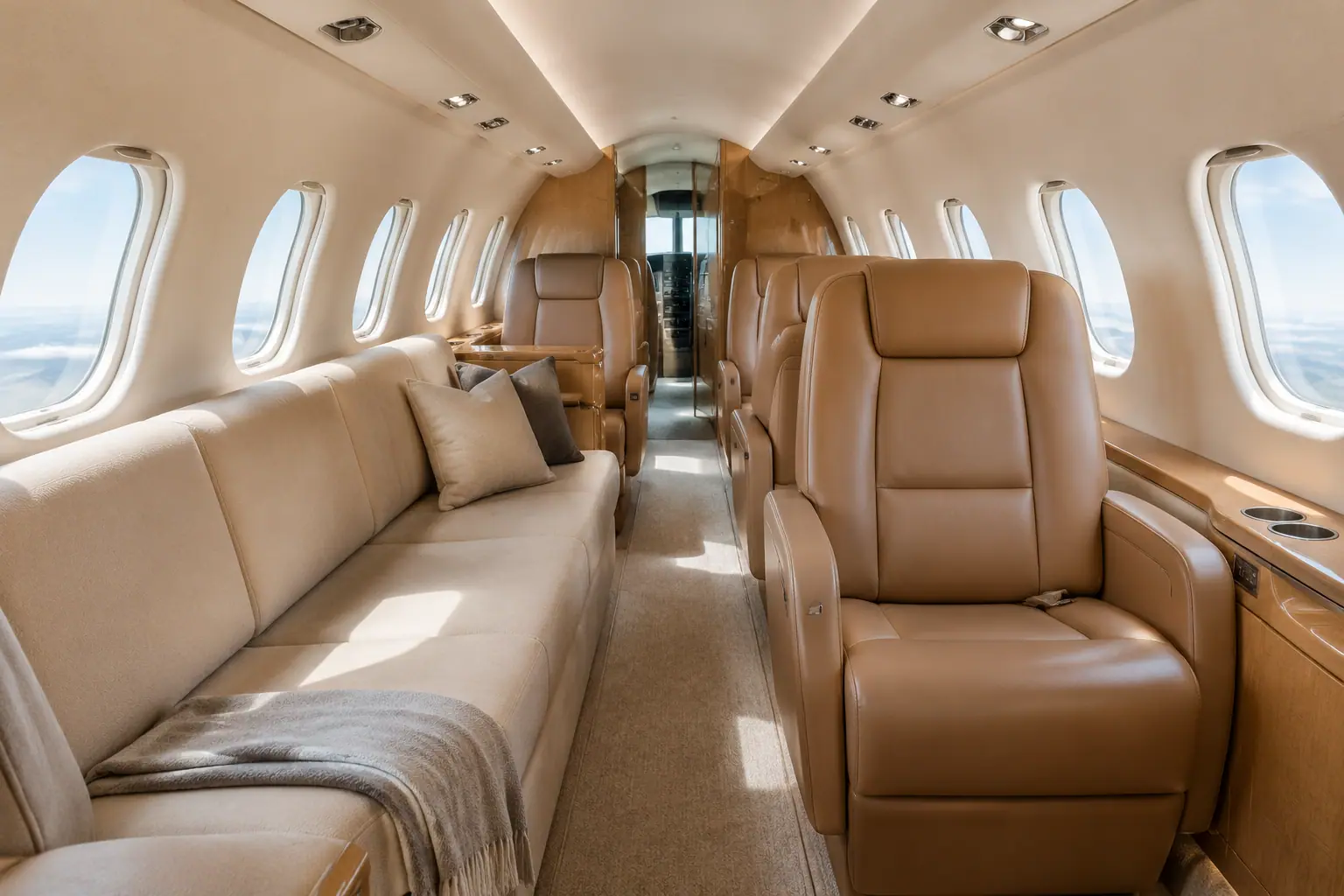
A light jet is the honest answer at this distance, and two aircraft show why. The HondaJet Elite II carries five passengers at 422 knots, and the Cessna Citation CJ4 Gen2 carries seven at 451 knots with a longer cabin. Both fly the leg nonstop with range to spare, which keeps the trip near $11,500 to $17,500 instead of the $15,500 to $23,000 a midsize typically runs.
Midsize and super-midsize jets buy you a stand-up cabin and more baggage space, and the super-midsize saves only about 11 minutes over a light jet, so the extra cost is about comfort rather than speed. Heavy jets make sense if your party is large or the schedule requires a specific aircraft type. A turboprop is the budget option at $9,000 to $14,500, but four hours and twelve minutes in a prop cabin is a long ride for most travelers.
Cessna Citation CJ4 Gen2
- 7 seats
- 451 kt cruise
- 2,165 nm range
Cabin 4 ft 9 in tall, 17 ft 4 in long. Baggage 71 cu ft.
Embraer Phenom 300E
- 7 seats
- 464 kt cruise
- 2,010 nm range
Cabin 4 ft 11 in tall, 17 ft 2 in long. Baggage 84 cu ft.

Leaving the Washington area
Charter flights usually leave from Washington Dulles or Reagan National, and Dulles has the longer runway at 11,500 feet for larger aircraft. Private jet Washington, DC to Austin departures often use Dulles for heavy jets and National for light aircraft. National's 7,169 foot runway and close-in location suit smaller jets, though slot rules and noise restrictions can apply at certain hours.
Most people drive to the FBO and board within minutes of arrival, skipping the terminal entirely. If your group is spread across DC and Northern Virginia, Dulles is usually the easier meet point for a larger aircraft, and National saves time for anyone coming from the city.
Arriving in Austin
On the Austin end, light jets can use Austin Executive Airport in Pflugerville with its 6,025 foot runway, while Austin Bergstrom offers a 12,250 foot runway for heavier aircraft. Choosing between Austin Executive and Bergstrom depends on aircraft size and whether you are heading downtown or north toward Round Rock. Executive sits closer to the northern suburbs; Bergstrom is the better fit for large-cabin arrivals.
Both airports are general aviation friendly, and your broker confirms which FBO your operator uses before you book. Ground transport into downtown Austin is straightforward from either field, and the drive is short enough that you can plan a morning meeting after a sunrise departure.
| Airport | Ident | Runway |
|---|---|---|
| Washington Dulles International Airport | KIAD / IAD | 11,500 ft |
| Ronald Reagan Washington National Airport | KDCA / DCA | 7,169 ft |
| Austin Executive Airport | KEDC | 6,025 ft |
| Austin Bergstrom International Airport | KAUS / AUS | 12,250 ft |
When to book this route
Demand peaks around major Austin events, when aircraft reposition into the area and prices climb. Spring festival weeks and fall conference season are when private jet Washington, DC to Austin pricing tightens most. Book at least three to four weeks ahead for those dates, and expect operators to hold aircraft rather than discount them.
If your schedule is flexible, midweek departures and off-peak months usually price lower. Same-day round trips are possible on this leg but expensive, because the crew and aircraft are committed for the day. A round trip booked as two one-way legs often costs less than a same-day return with waiting time. Ask your broker to price both structures before you decide.
Return legs from Austin to Washington follow the same logic in reverse. If you are booking a one-way into Austin, ask about empty leg flights, since aircraft that bring passengers in often need to fly home and may offer a discounted repositioning.
Private jet routes similar to Washington, DC to Austin
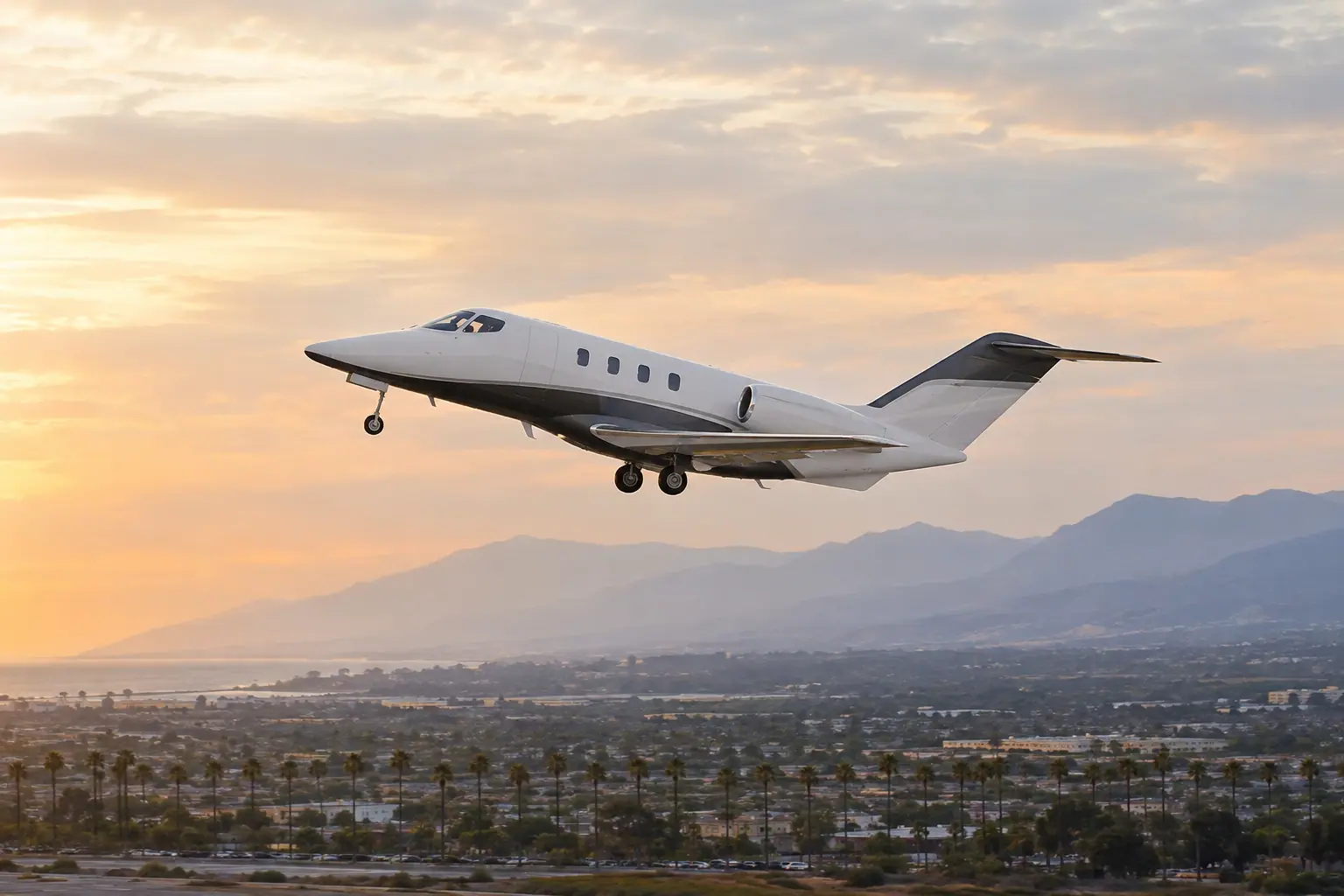
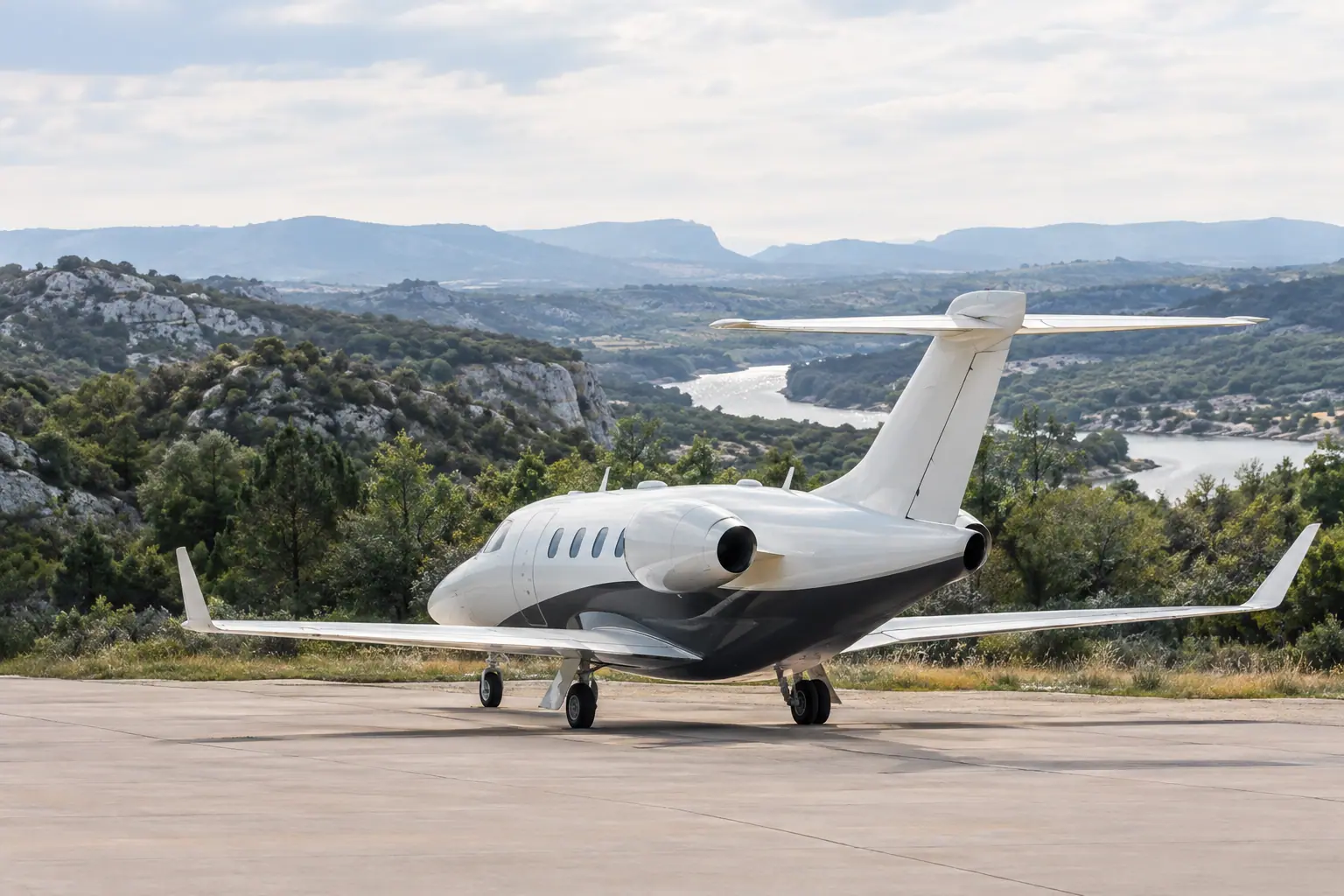
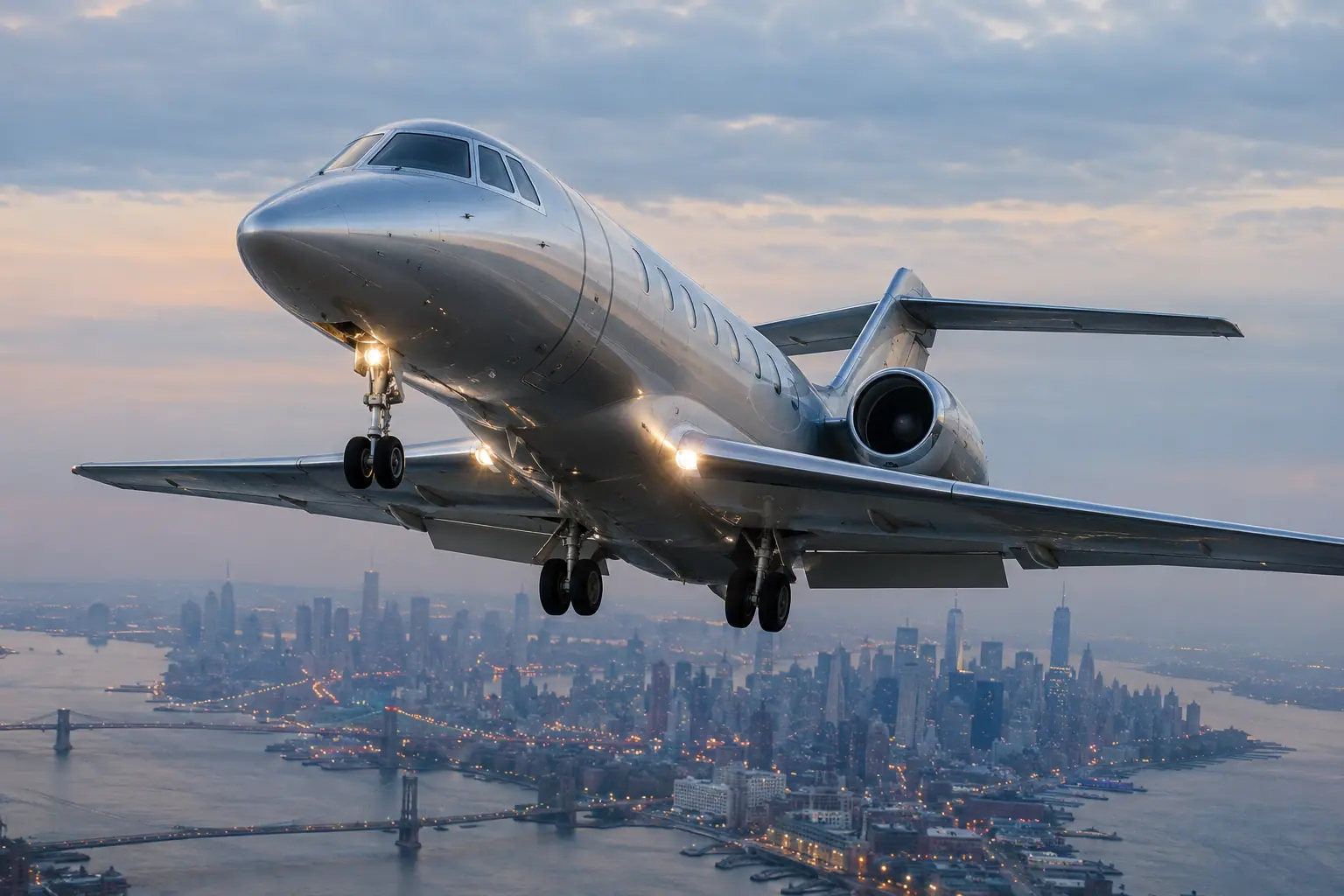
These 6 private jet city pairs span 886 to 1,304 nautical miles, with single-leg light jet estimates ranging from $9,500 to $24,500.

Questions about this route
How long is a private jet Washington, DC to Austin flight?
A light jet covers the 1,114 nautical mile route in about 3 hours 1 minute nonstop. A midsize jet takes roughly 2 hours 58 minutes, a super-midsize or heavy jet about 2 hours 47 minutes, and a turboprop around 4 hours 12 minutes. Winds and routing can shift these times by a few minutes.
What does a private jet Washington, DC to Austin cost?
Estimates run from $11,500 to $17,500 one-way on a light jet, $15,500 to $23,000 on a midsize, and $26,500 to $40,500 on a heavy jet. A turboprop starts around $9,000. These are planning figures, not quotes; the operator's price depends on the specific aircraft, date and positioning.
Can a light jet fly Washington to Austin nonstop?
Yes. At 1,114 nautical miles, the route is within light jet range, including the HondaJet Elite II at 1,550 nautical miles and the Citation CJ4 Gen2 at 2,165. Both carry passengers nonstop with reserves, which is why a light jet is the recommended class for this leg.
Which airport do private jets use in Austin?
Austin Executive Airport in Pflugerville has a 6,025 foot runway and suits light and midsize jets. Austin Bergstrom International has a 12,250 foot runway and handles larger aircraft. Your operator picks the field based on aircraft size, and your broker confirms it before departure.
Is a same-day round trip on this route practical?
It can be done, but the aircraft and crew are committed for the full day, so the price reflects waiting time. A light jet round trip on the same day typically costs more than two separate one-way bookings. Ask your broker to price both so you can compare the real numbers.
Who operates the aircraft on a private jet Washington, DC to Austin charter?
The flight is flown by an FAA Part 135 operator that holds operational control, including crew and maintenance. The broker arranges the trip as an agent under DOT Part 295 rules. Ask for the operator's name and certificate before you book, and confirm insurance and safety records directly.