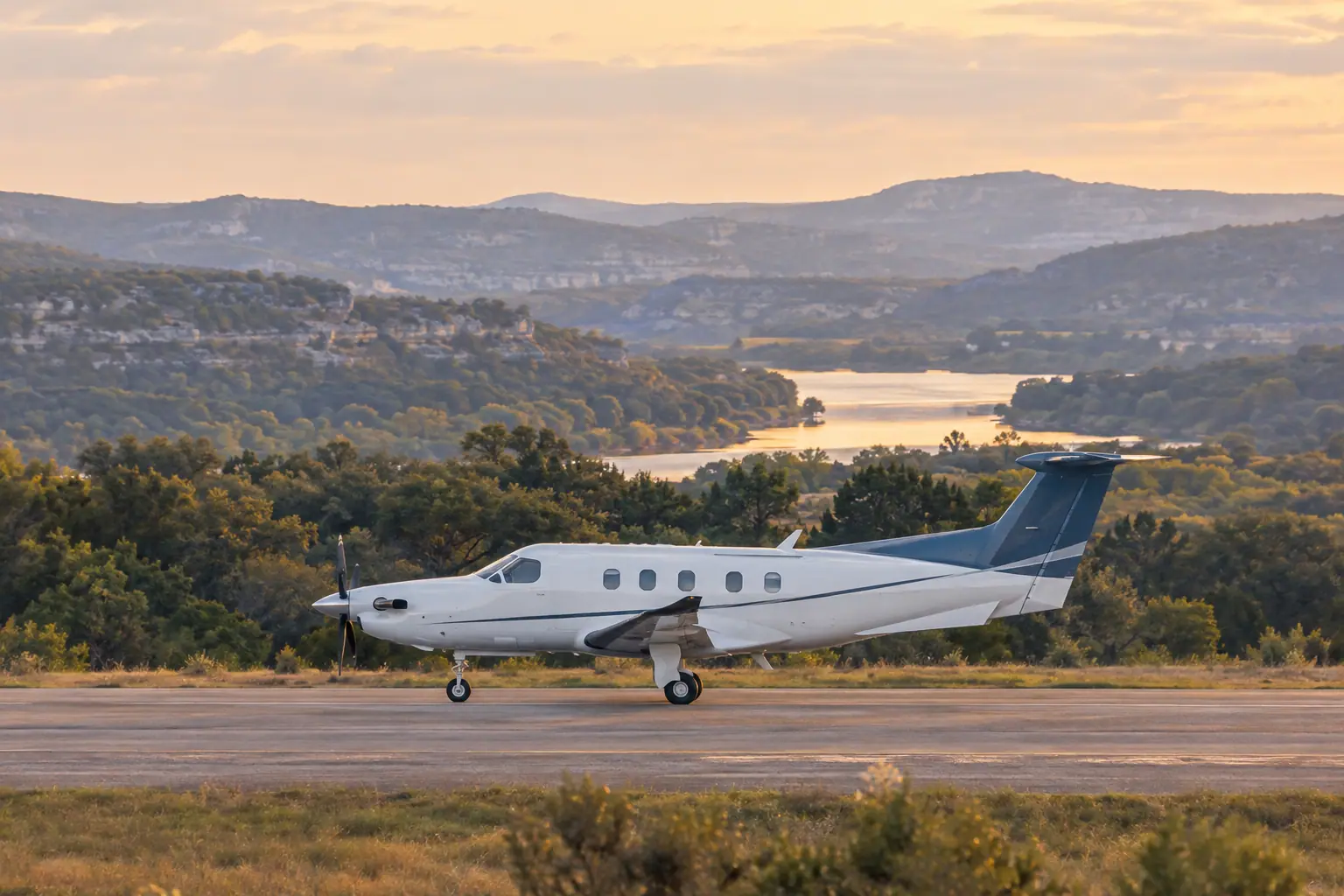
Turboprop charter cost Austin
Turboprop charter cost Austin bookings typically land between $2,200 and $3,500 per hour. A Dallas leg at 151 nautical miles runs $2,000 to $3,500, and longer hauls scale from there. This page explains what moves the quote, which aircraft fit which trip, and where the limits sit.
- $2,200–$3,500per flight-hour
- 6-8Pax
- 1,500 nmaverage reach
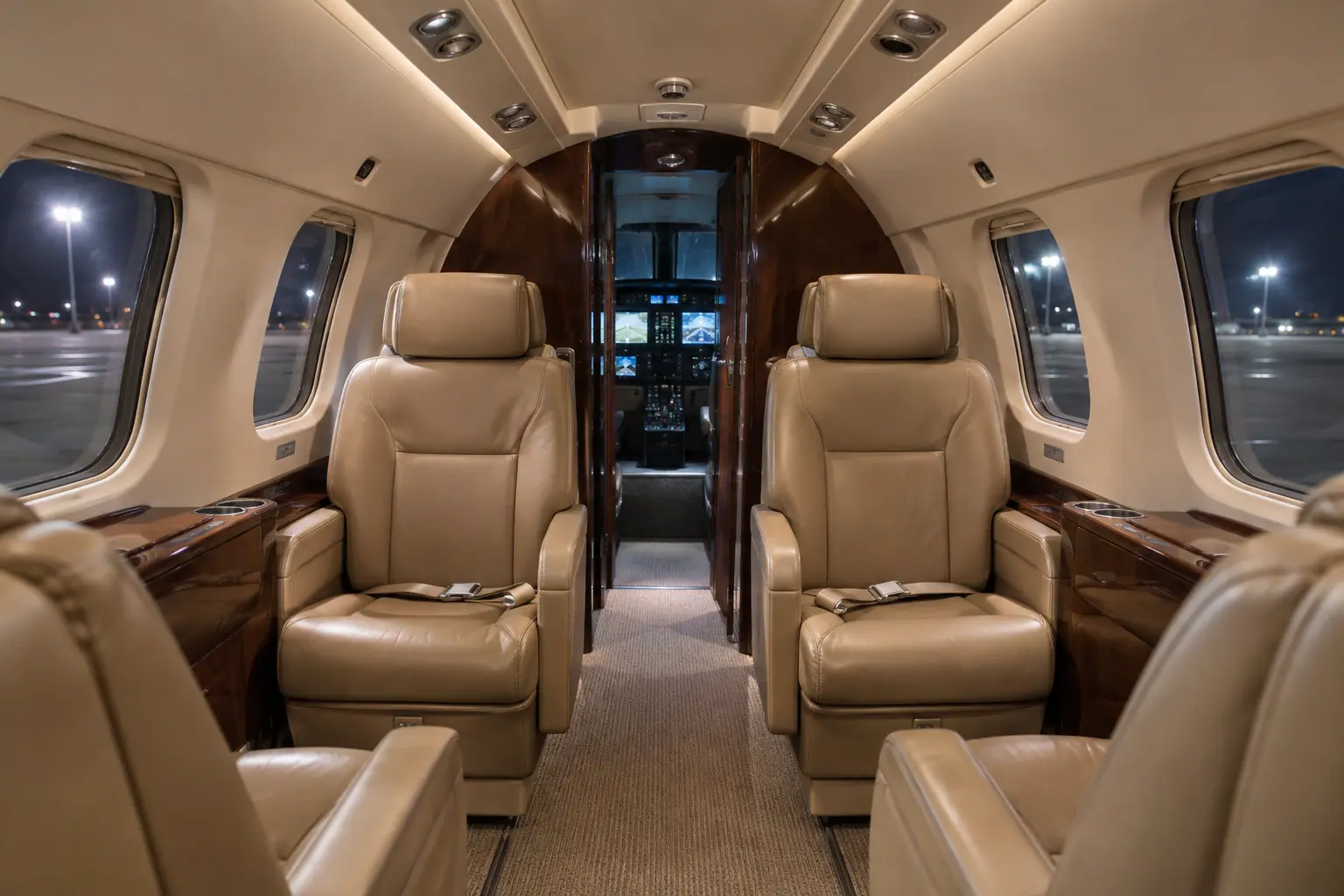
The first sentence of this section should answer: Turboprop charter cost Austin depends on hourly rates of $2,200 to $3,500, aircraft type and trip length. Hourly turboprop rates in Austin run $2,200 to $3,500, with a typical cruise of 300 knots and seating for six to eight passengers. A Beechcraft King Air 350i and a Pilatus PC-12 NGX are the two airframes most often quoted on this class, and both fly at roughly 290 to 312 knots. The rate you see is rarely just the hourly figure. It bundles crew, fuel, and the operator's minimum daily time, so a short hop can come back at a higher effective hourly cost than a four-hour leg. Ask for the quote broken into flight time, crew, and fees so you can compare operators on the same basis.
For a 151-nautical-mile Dallas to Austin leg, expect roughly $2,000 to $3,500 in a turboprop. That works out to a 50-minute flight at about 300 knots. The same airframe type on a Los Angeles to Austin run covers 1,084 nautical miles in 4 hours 6 minutes and prices at $9,000 to $14,500. A nonstop Chicago to Austin turboprop flight covers 832 nautical miles in 3 hours 13 minutes for $7,000 to $11,000. Longer city pairs start to show where the prop class stops being the obvious answer: a New York to Austin trip at 1,302 nautical miles needs a fuel stop and prices from $12,500 to $19,500, and a Boston to Austin leg at 1,453 nautical miles runs 6 hours 8 minutes at $13,500 to $21,500. Those are estimates, not quotes; the operator's live pricing will move with fuel and crew availability.
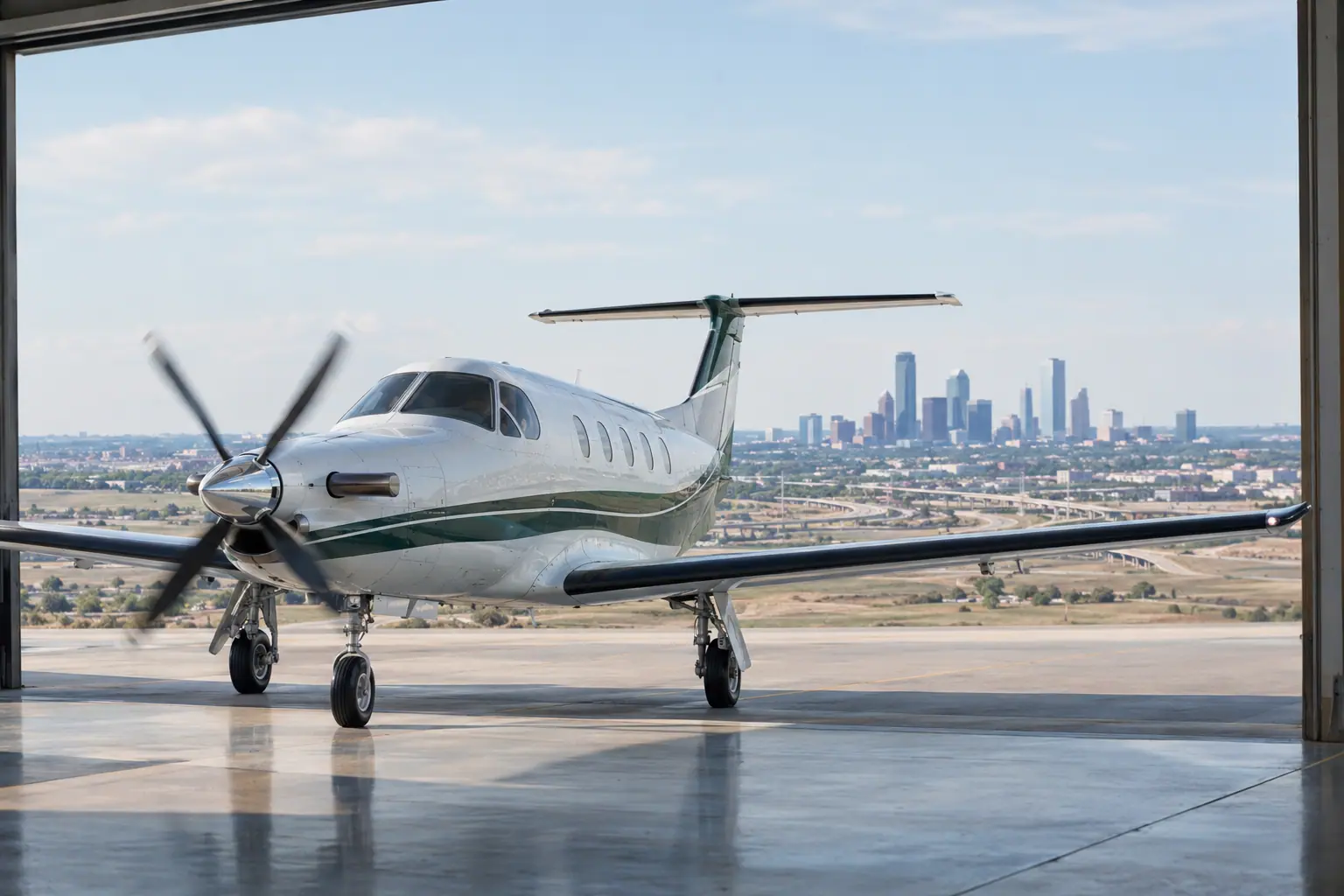
Beechcraft King Air 350i
- 8 seats
- 312 kt cruise
- 1,800 nm range
- 55 cu ft baggage
The Beechcraft King Air 350i seats eight and cruises at 312 knots, with a range of 1,800 nautical miles. The cabin is 4 feet 9 inches tall and 16 feet 8 inches long, and baggage space is 55 cubic feet, which is generous for a prop. On Austin departures it handles the Dallas and Houston shuttles as easily as a Los Angeles run. Operators flying the King Air 350i out of Austin usually quote it toward the upper half of the $2,200 to $3,500 hourly band, so it is the pick when the group is large or the bags are heavy.
Pilatus PC-12 NGX
- 6 seats
- 290 kt cruise
- 1,800 nm range
- 40 cu ft baggage
The Pilatus PC-12 NGX seats six and cruises at 290 knots, with the same 1,800-nautical-mile range. Cabin height is 4 feet 10 inches and length 16 feet 11 inches, with 40 cubic feet of baggage. It is the more economical choice on shorter legs and the better fit for a party of four to six. On a Los Angeles to Austin turboprop flight, the PC-12 is often the airframe offered for the 4 hour 6 minute sector, and its single-engine layout keeps the crew cost down.
When a turboprop beats a light jet
- When your leg is under about 700 nautical miles, a turboprop flying from Austin often prices below a light jet. The Atlanta to Austin route at 705 nautical miles is a fair crossover point, at 2 hours 46 minutes and $6,000 to $9,500.
- If the destination runway is short or unpaved, then a King Air or PC-12 can use strips a jet cannot. That matters for Hill Country ranches, West Texas oilfield strips, and small-town fields where the nearest jet airport is an hour's drive away.
- When you are carrying six to eight passengers on a business day trip, the cabin size of these aircraft fits the group without a second aircraft. The King Air 350i seats eight; the PC-12 NGX seats six. Baggage runs 55 and 40 cubic feet.
- If the schedule is built around a same-day return, then the lower cruise altitude of a turboprop can mean less time climbing and descending on a short sector. A Dallas or Houston round trip is where this class is most efficient.
Where turboprops stop making sense
On legs beyond about 1,500 nautical miles, a turboprop from Austin usually needs a fuel stop and loses its price advantage. The Boston to Austin route at 1,453 nautical miles already shows a stop and 6 hours 8 minutes, and a New York to Austin trip at 1,302 nautical miles does the same. Once block time passes roughly five hours, many travelers switch to a light or midsize jet for the same mission. That trade is worth pricing both ways before you commit.
Weather is the other limit: icing conditions and convective storms can push a prop flight to a different altitude or a different day. Turboprops fly lower than jets, so summer thunderstorms around Central Texas and winter icing on northern routes affect routing more often. Operators build in alternates, and a broker should tell you when a jet would be the more reliable choice. International legs also add CBP clearance at the port of entry; the operator handles the filing, and the broker confirms the timing.
Turboprop rates on frequent routes
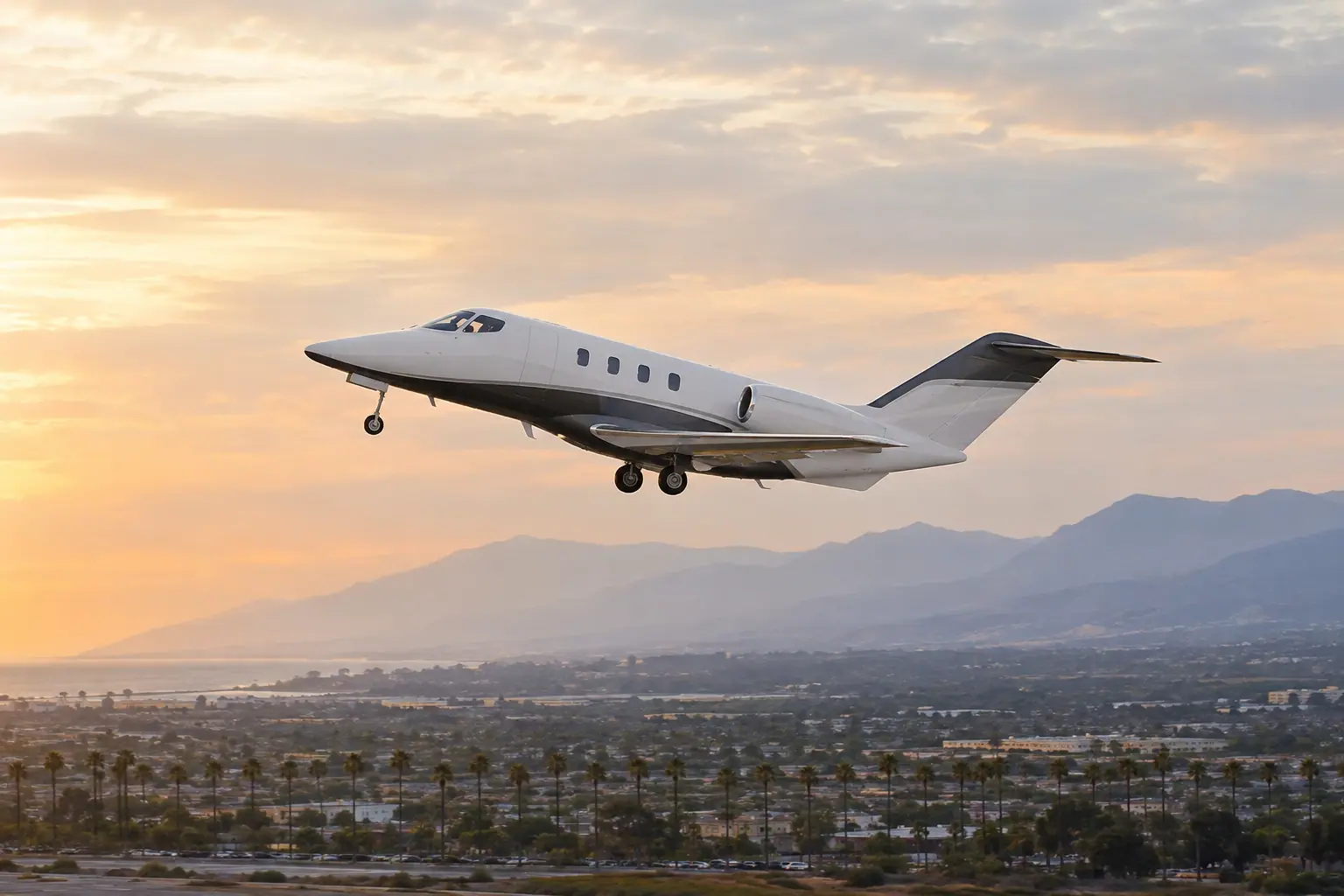
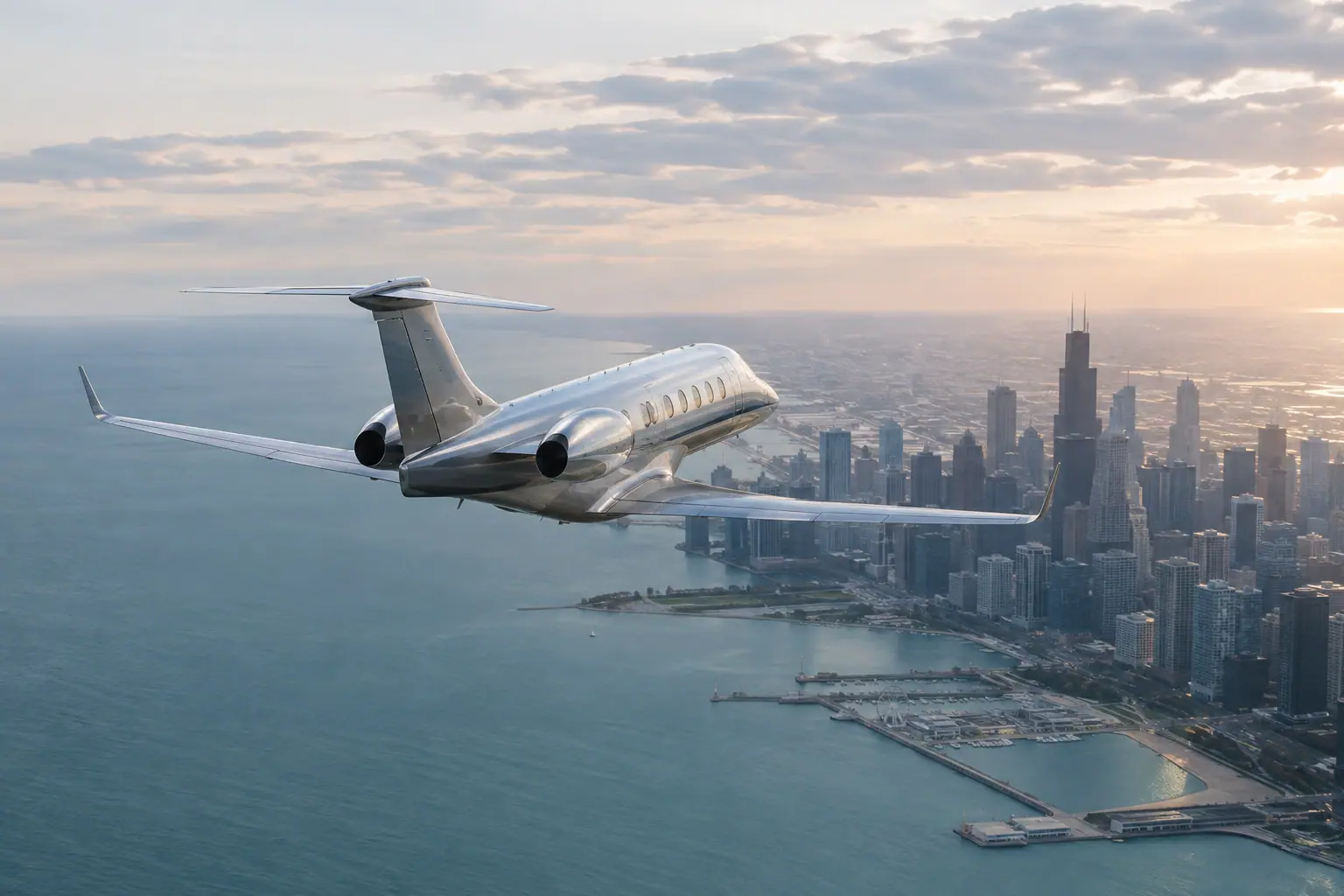
The sample Austin turboprop routes below show nonstop times from 50 minutes to 4 hours 12 minutes and prices from $2,000 to $21,500 depending on distance. Treat them as planning estimates for the class, not as firm quotes. If a route shows a fuel stop, the block time includes it.

Turboprop flight times and prices by route
On these 24 city pairs, a turboprop needs 0h 50m to 6h 25m, with single-leg estimates between $2,000 and $22,500.
| Route | Time | Est. one-way price |
|---|---|---|
| New York → Austin | 5h 36m + stop | $12,500–$19,500 |
| Los Angeles → Austin | 4h 06m | $9,000–$14,500 |
| Chicago → Austin | 3h 13m | $7,000–$11,000 |
| Dallas → Austin | 0h 50m | $2,000–$3,500 |
| Atlanta → Austin | 2h 46m | $6,000–$9,500 |
| Washington, DC → Austin | 4h 12m | $9,000–$14,500 |
| Boston → Austin | 6h 08m + stop | $13,500–$21,500 |
| Philadelphia → Austin | 5h 24m + stop | $12,000–$19,000 |
| Denver → Austin | 2h 36m | $5,500–$9,000 |
| Phoenix → Austin | 2h 58m | $6,500–$10,500 |
| San Francisco → Austin | 5h 37m + stop | $12,500–$19,500 |
| Seattle → Austin | 6h 25m + stop | $14,000–$22,500 |
| Las Vegas → Austin | 3h 36m | $8,000–$12,500 |
| Nashville → Austin | 2h 33m | $5,500–$9,000 |
| Charlotte → Austin | 3h 24m | $7,500–$12,000 |
| Orlando → Austin | 3h 18m | $7,000–$11,500 |
| Austin → New York | 5h 36m + stop | $12,500–$19,500 |
| Austin → Aspen | 2h 45m | $6,000–$9,500 |
| Austin → Phoenix | 2h 58m | $6,500–$10,500 |
| Austin → San Francisco | 5h 37m + stop | $12,500–$19,500 |
| Austin → Los Angeles | 4h 06m | $9,000–$14,500 |
| Austin → Nassau | 4h 12m | $9,000–$14,500 |
| Austin → Cabo San Lucas | 3h 02m | $6,500–$10,500 |
| Austin → Turks and Caicos | 6h 09m + stop | $13,500–$21,500 |
Questions
What is the turboprop charter cost Austin hourly rate in 2026?
Turboprop charter cost Austin hourly rates run about $2,200 to $3,500 per flight hour for the class. That band covers a Beechcraft King Air 350i and a Pilatus PC-12 NGX, both of which cruise near 300 knots. The final figure depends on the operator's minimum daily time, crew duty, and fuel surcharges, so ask for an all-in quote rather than comparing hourly rates alone.
How much does a Dallas to Austin turboprop charter cost?
Expect roughly $2,000 to $3,500 for the 151-nautical-mile Dallas to Austin leg, with a block time of 50 minutes. That is the shortest route in the sample set and the one where operator minimums matter most, because the flight time is under an hour. A round trip on the same day will usually price closer to double the one-way estimate, since the aircraft stays with you.
Can a turboprop fly nonstop from Austin to Los Angeles?
Yes. The Los Angeles to Austin route covers 1,084 nautical miles in 4 hours 6 minutes and prices at $9,000 to $14,500, and it is listed as nonstop. The King Air 350i and PC-12 NGX both have a range of 1,800 nautical miles, so the leg is comfortably within limits. Westbound headwinds can stretch the time, so confirm the operator's planned routing.
Which turboprops are quoted for Austin charters?
Two airframes come up most often: the Beechcraft King Air 350i, which seats eight and cruises at 312 knots, and the Pilatus PC-12 NGX, which seats six at 290 knots. Both have a range of 1,800 nautical miles and cabins just under 5 feet tall. The King Air carries more bags at 55 cubic feet; the PC-12 has 40 and often prices lower on short legs.
Who operates the aircraft and who is responsible for the flight?
The flight is flown by an FAA Part 135 operator that holds operational control, including crew scheduling, maintenance, and dispatch. A broker arranges the trip as an agent under DOT Part 295 and does not own or operate the aircraft. That distinction matters if anything changes on the day, because the operator, not the broker, makes the operational calls.
Do turboprop flights from Austin need customs or TSA screening?
Domestic legs do not require customs, and TSA screening is not part of a standard private charter. An international leg does require CBP clearance at a port of entry, and the operator files that. If your trip crosses a border, allow extra time on the return and confirm the clearance airport with the operator before you book, since not every field is a port of entry.