
Private jet Austin Executive guide
Private jet Austin Executive flights use KEDC, a reliever field northeast of downtown with a 6,025-foot runway. Summer density altitude there can reach 3,200 feet, so aircraft choice matters. This guide covers runways, FBOs, and access.
- KEDCairport codes
- 620 ftairfield altitude
- 6,025 ftlongest runway
- 14 mito Downtown Austin
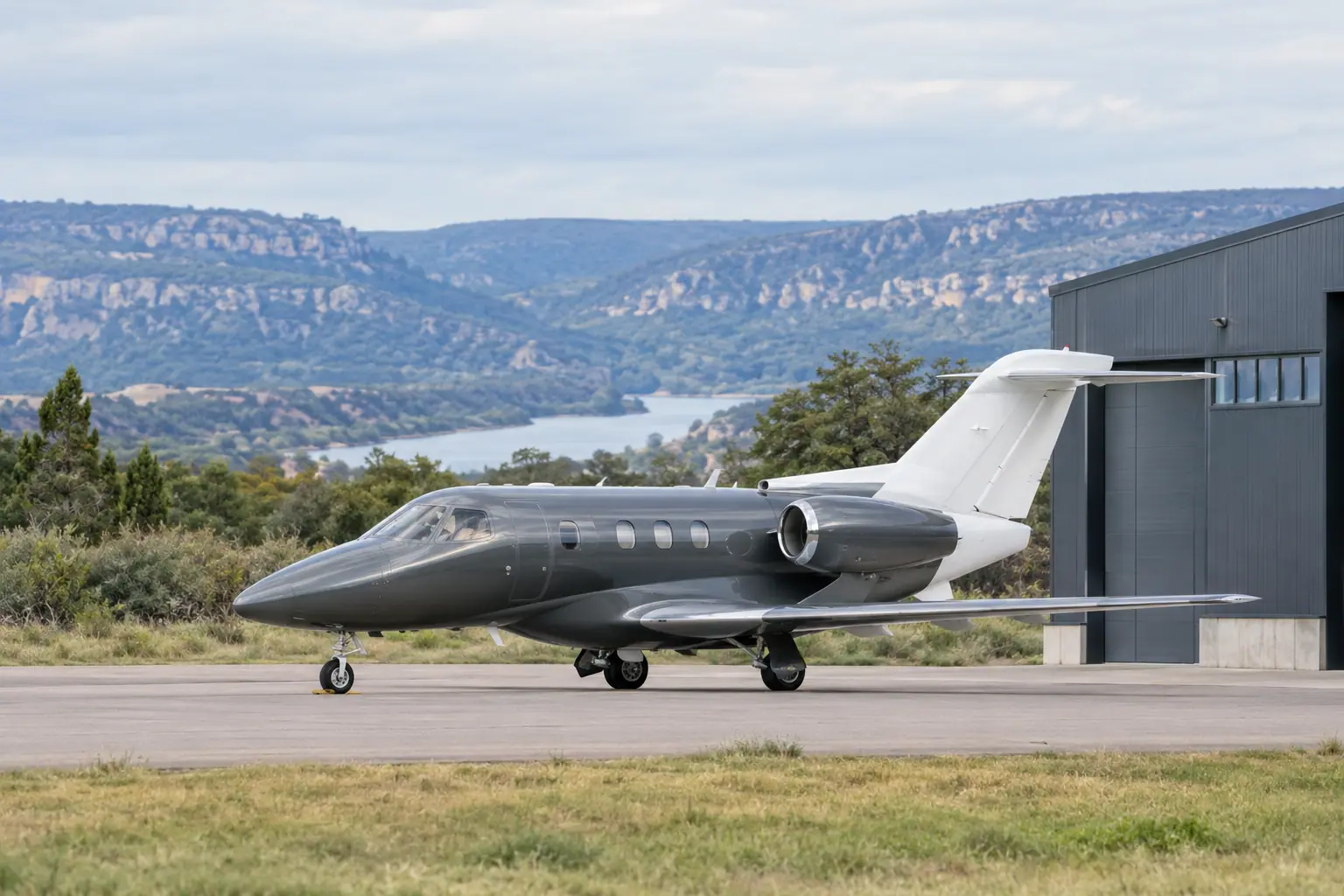
Private jet Austin Executive charters land at KEDC, a general aviation field about 620 feet above sea level with a single 6,025-foot runway serving the metro's northeast side. Because it is built for private and business flying rather than airline schedules, your aircraft parks at a dedicated FBO instead of a terminal gate, and you step from the ramp to a car in minutes. Under DOT Part 295, brokers like us arrange the trip as your agent; the flight itself is flown by a separately certificated operator that holds operational control.
The field sits close to the tech corridor around Round Rock, Pflugerville, and the Domain, which is why many travelers heading to those parts of the metro pick it over the larger airline airport. Choosing Austin Executive over Bergstrom can trim the drive for northeast-side meetings. Ground time at the FBOs is typically short because there is no commercial traffic competing for the ramp.
Charter demand here swings with the calendar, from spring festivals downtown to fall football weekends. During Formula 1 and South by Southwest, Austin Executive ramp space tightens and operators book weeks out. Because the airport is a reliever, it absorbs some of that surge, but you still want to lock aircraft and parking early. We quote the operator's price as an estimate, since fuel, crew and fees move.
Runway length and what it means
Austin Executive offers one runway of 6,025 feet at 620 feet elevation, long enough for light and midsize jets and workable for many super-midsize types on cooler days. That 6,025-foot runway at Austin Executive handles most light and midsize jets comfortably. Heavier long-range aircraft often prefer Bergstrom's 12,250-foot strip. If your trip is a single leg with a light passenger count, a midsize jet rarely feels constrained here; if you are departing on a hot afternoon with full tanks, then the operator will compute performance against the runway before confirming. Ask for that number up front.
| Runway | Length | Width | Surface |
|---|---|---|---|
| 13/31 | 6,025 ft | 100 ft | ASPH-G |
FBOs on the field
Two fixed-base operators, Henriksen Jet Center and Cutter Aviation, handle arrivals and departures at Austin Executive, providing fueling, ground handling and lounges for private flights. Henriksen Jet Center and Cutter Aviation both serve Austin Executive arrivals and departures. We do not own either facility; the operator or your request will determine which one your aircraft uses. If you have a preference for a particular lounge or a specific drop-off arrangement, tell us when you book and we will pass it along. When the ramp is busy during event weeks, then the assigned FBO also sets your taxi and parking plan, so getting the request in early helps.
Who Austin Executive suits best
- Travelers heading to Round Rock, Pflugerville, the Domain and north Austin tech offices
- Light and midsize jet trips where a short, quiet FBO stop beats a busy airline terminal
- Event weekends when Bergstrom ramps are saturated and you want an alternate field
- Departures where a 6,025-foot runway and cooler morning air keep performance margins comfortable
| Class | Typical runway need | Here |
|---|---|---|
| Turboprop | 3,300 ft+ | Fits |
| Light jet | 4,000 ft+ | Fits |
| Midsize jet | 5,000 ft+ | Fits |
| Super-midsize jet | 5,200 ft+ | Fits |
| Heavy jet | 5,600 ft+ | Fits |
Heat, humidity and density altitude
Density altitude at Austin Executive climbs through the warm months, starting near 900 feet in January and reaching about 3,200 feet in July and August. Peak summer density altitude at Austin Executive can top 3,800 feet on a 115-degree day. That matters on takeoff: thinner air lengthens the roll and reduces climb, so operators may cap fuel or passengers. If you are flying out on a hot afternoon with a heavy load, then a longer runway or a cooler departure time can be the practical answer.
| Month | Avg high | Wet days | Density altitude |
|---|---|---|---|
| Jan | 61°F | 8 | 900 ft |
| Feb | 65°F | 10 | 1,200 ft |
| Mar | 73°F | 10 | 1,700 ft |
| Apr | 79°F | 12 | 2,100 ft |
| May | 85°F | 15 | 2,500 ft |
| Jun | 91°F | 11 | 2,900 ft |
| Jul | 95°F | 8 | 3,200 ft |
| Aug | 96°F | 8 | 3,200 ft |
| Sep | 90°F | 9 | 2,800 ft |
| Oct | 82°F | 8 | 2,300 ft |
| Nov | 70°F | 9 | 1,500 ft |
| Dec | 65°F | 8 | 1,200 ft |
Getting to and from the field
Austin Executive sits off the highway northeast of downtown, which keeps the drive short for passengers coming from Round Rock, Pflugerville and the Domain area and reasonable from central Austin. Ground time from Austin Executive to the Domain area is short compared with Bergstrom. Your FBO can arrange cars, and most operators coordinate drop-off directly with the ramp. For an international leg, CBP clearance is handled at a designated port of entry, so we will confirm your routing and arrival airport before you book. If your schedule is tight, then plan the car ahead rather than relying on rideshare at the curb.
Private jet routes via Austin
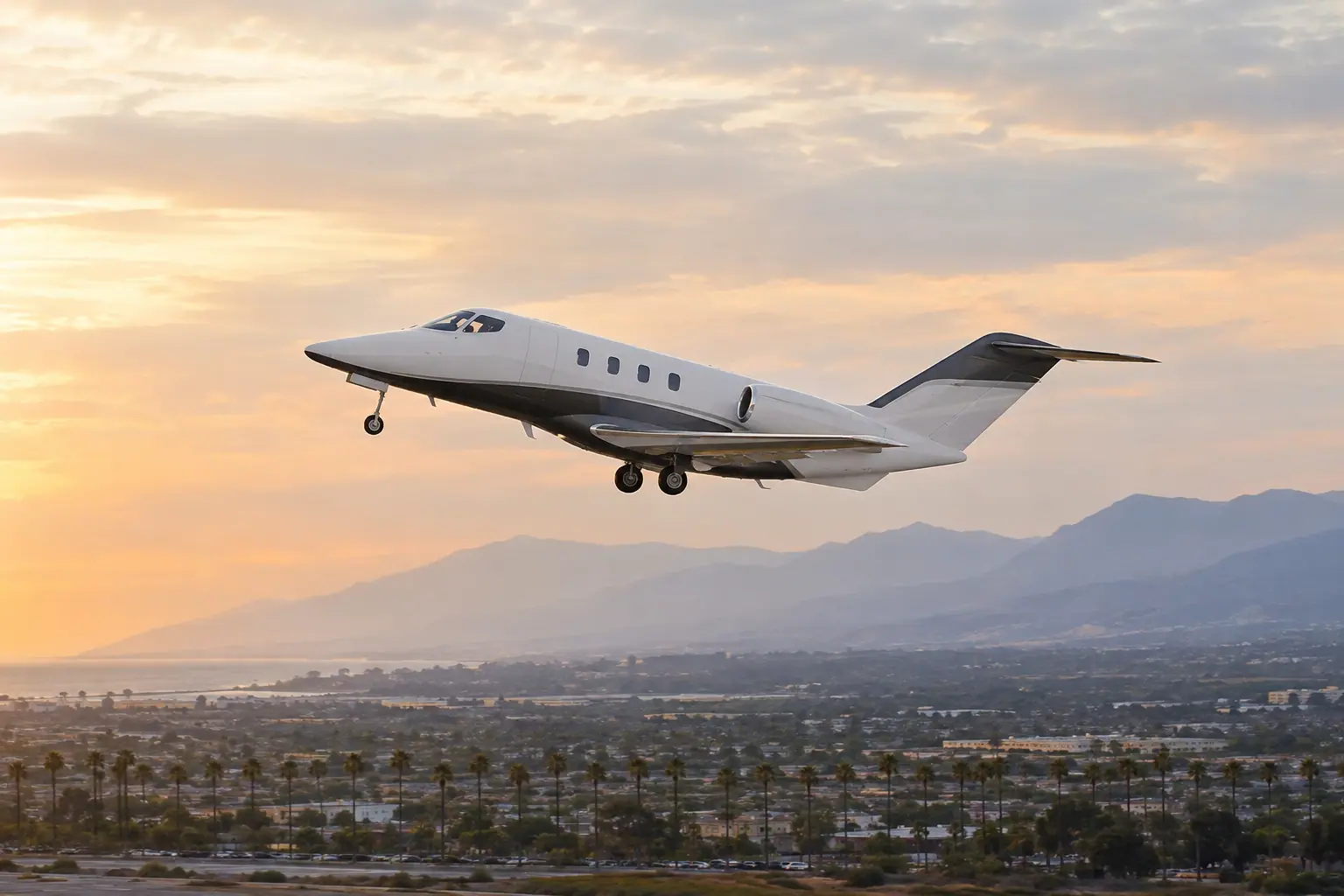
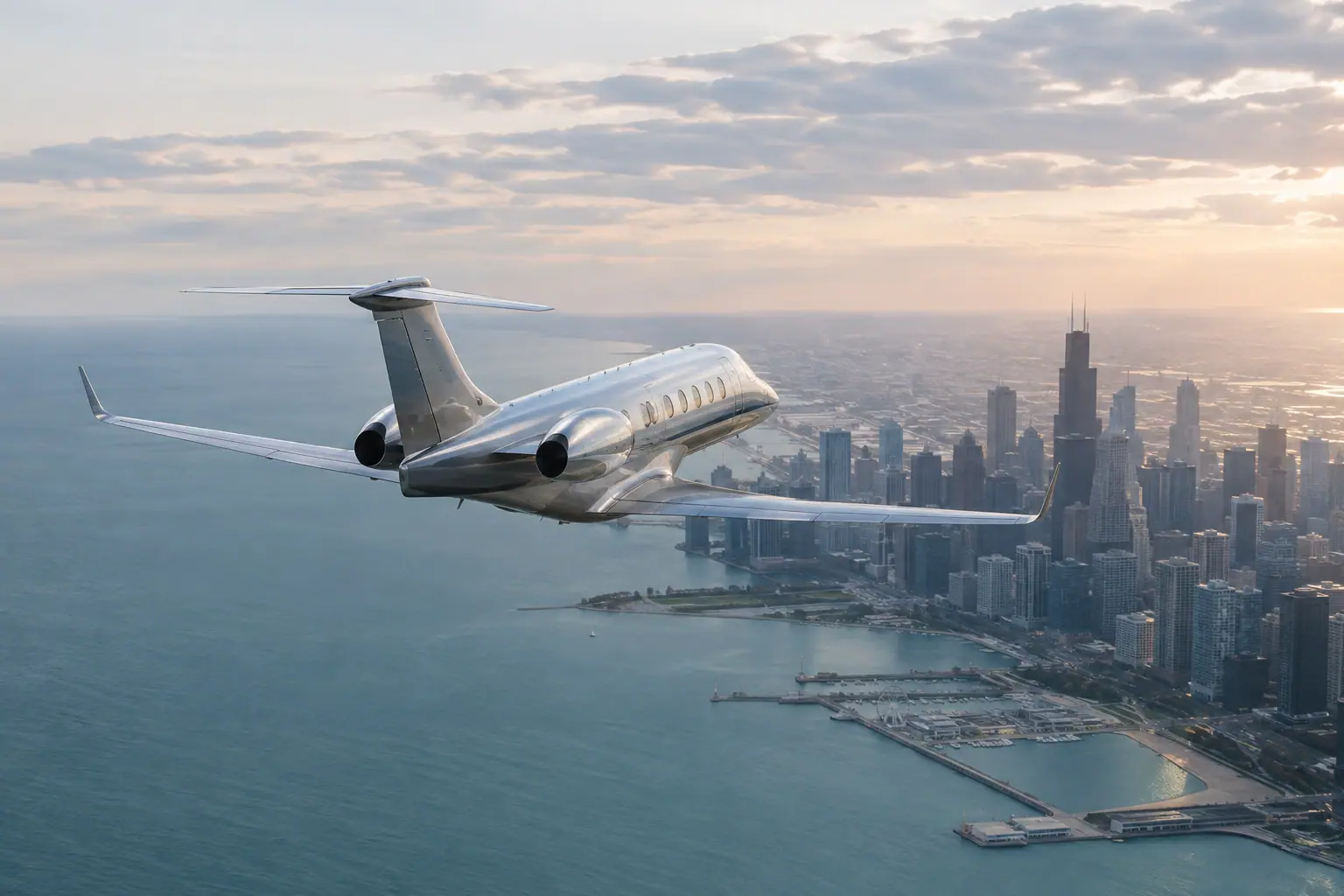
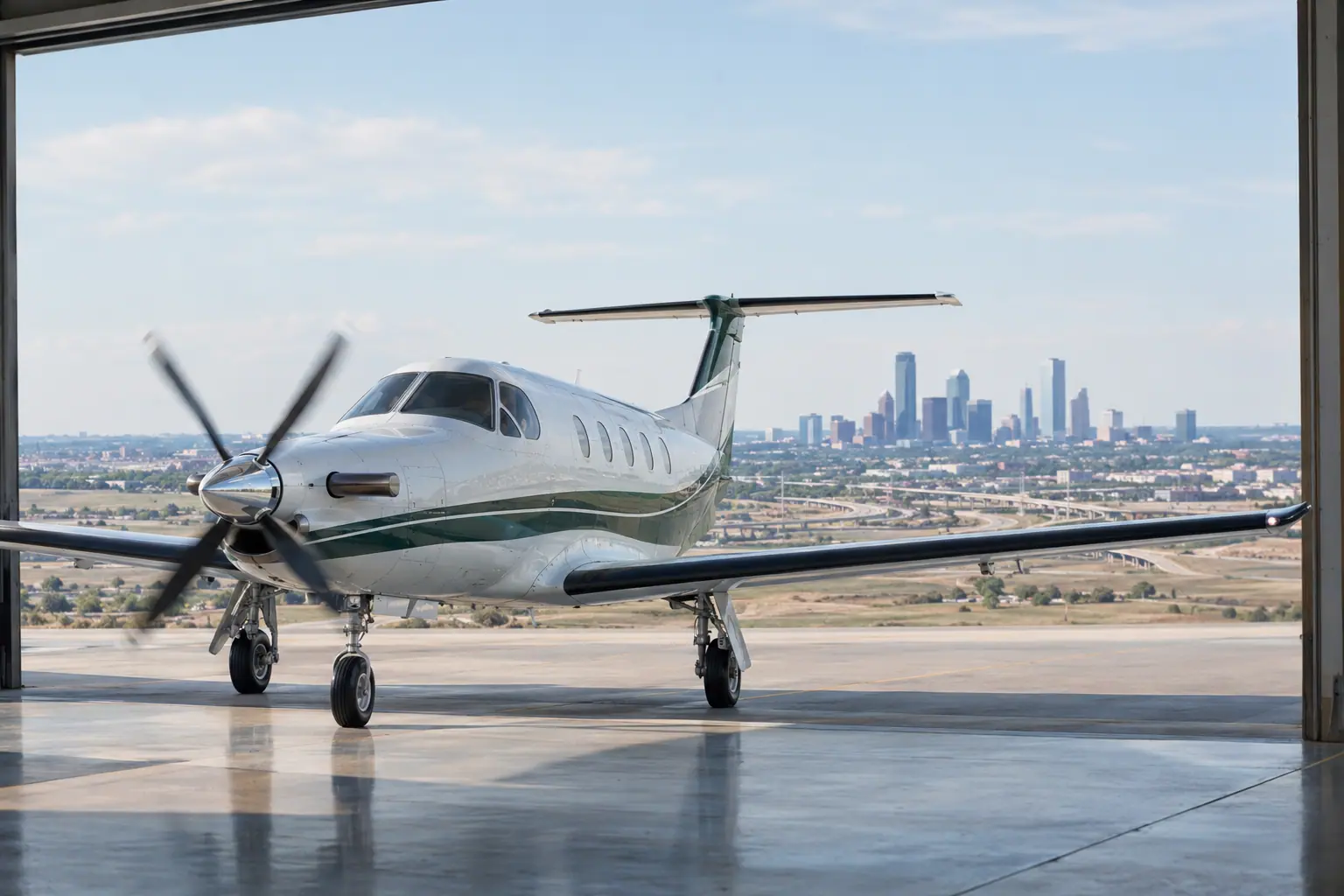
These 6 private jet city pairs span 151 to 1,302 nautical miles, with single-leg light jet estimates ranging from $4,000 to $24,500.


Questions about this airport
Where is private jet Austin Executive service based?
Austin Executive Airport, coded KEDC, is the field. It sits at 620 feet elevation with a 6,025-foot runway and two FBOs, Henriksen Jet Center and Cutter Aviation. It is a general aviation reliever northeast of downtown, not the airline airport, so your aircraft parks at an FBO ramp rather than a gate.
Can a midsize jet use Austin Executive's runway?
Usually yes. The 6,025-foot runway at 620 feet elevation supports most light and midsize jets, and many super-midsize types on cooler days. On a hot afternoon with a full load, performance margins tighten, so the operator runs the takeoff numbers first. Heavier long-range aircraft more often choose Bergstrom's 12,250-foot runway instead.
How hot does it get, and how does that affect departures?
July and August highs average around 95 to 96 degrees, and density altitude reaches roughly 3,200 feet those months. On a 115-degree day it can top 3,800 feet. If you depart at peak heat with full fuel and passengers, then the operator may reduce payload or shift the departure to cooler morning air.
Which airport should I use, Austin Executive or Bergstrom?
It depends on where you are going on the ground. Austin Executive is convenient for Round Rock, Pflugerville and the Domain, while Austin Bergstrom, coded AUS, has a 12,250-foot runway and airline terminal facilities. For long-haul aircraft or international arrivals needing CBP, Bergstrom is often the practical pick. We quote both so you can compare.
Are these flights operated by the broker?
No. We act as your agent under DOT Part 295 and arrange the trip; the flight is flown by an operator that holds FAA Part 135 authority and operational control. That operator supplies the crew and aircraft and sets the final performance and safety decisions. We handle the comparison, the quote and the coordination between you and that operator.
How far in advance should I book during event weeks?
Earlier than usual. During Formula 1 and South by Southwest, ramp space and aircraft at Austin Executive tighten, and operators book weeks ahead. If your dates land on a major weekend, then request quotes as soon as your schedule is firm, because pricing and availability both move. Off-peak dates give you more aircraft types and better estimates.